800 562-7760 Support
Skip to Content
- In-Stock Same-Day Shipping by 5PM cst
- Free Shipping +$199
- Need Competitive Bulk Pricing?

DTF Equipment and Supplies
Ready to Try DTF Printing?
If you’ve been feeling limited by what you can print on, DTF might be worth exploring. It opens up more options - so you’re not stuck working with just one type of fabric.
With DTF, you can print on cotton, polyester, blends, and even darker materials, which makes it easier to take on different kinds of orders without overthinking the process.
It’s a good step if you’re growing, getting more custom requests, or just want a bit more flexibility in what you offer.
- Works on more types of fabrics
- Handles detailed, colorful designs well
- Helps you manage more orders smoothly
- Great for businesses looking to grow
It’s not about changing everything, it’s about adding something that makes your workflow easier.
Take a look at DTF options below and see if it fits your setup.
FAQs
1. What exactly is DTF printing?.
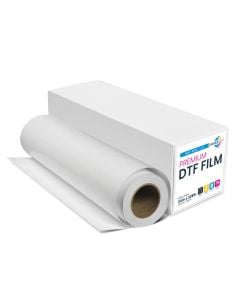
It’s a method where you print your design onto a film, use a powder for adhesion, cure and then transfer it onto fabric using heat. Simple once you get the hang of it.
2. What can I print on with DTF?
Almost anything: cotton, polyester, blends, light or dark fabrics, which is why a lot of people switch to it.
3. Is DTF better than sublimation?
Not necessarily better, just different.
Sublimation works great for polyester, and the transfer will never fade, crack or peel. While DTF gives you more flexibility across materials.
4. Is DTF good for beginners?
It can be. There’s a small learning curve, but once you understand the process, it’s quite manageable.
5. What do I need to get started?
A DTF printer and ink, film, powder (optional shaker), curing oven and a heat press, that’s the basic setup.