
Can You Sublimate on Cotton? Real Results, VersiFlex & Best Methods

Can You Sublimate on Cotton?
One of the most common questions in the personalization industry is:
Can you sublimate on cotton?
For years, the answer was mostly “no.” Traditional sublimation requires polyester fibers to permanently bond with sublimation ink, making cotton one of the biggest challenges for decorators.
Today, however, decorators have more options than ever, including Sawgrass VersiFlex, a new decorating system specifically designed to expand beyond traditional sublimation limitations.
Quick Answer: Can You Sublimate on Cotton?
Yes, but the method matters.
There are now four primary ways to decorate cotton using sublimation-style workflows:
- Sawgrass VersiFlex
- Sublimation spray or coatings
- Sublimation on HTV
- Polyester-coated cotton products
Why Traditional Sublimation Doesn't Work on Cotton
Traditional sublimation ink bonds directly with polyester fibers when heat is applied. During pressing, the sublimation dye converts into a gas and permanently becomes part of the polyester material.
Cotton fibers do not accept sublimation dyes the same way. Without polyester present, the dye cannot properly bond, leading to faded colors, poor wash durability, reduced vibrancy, and inconsistent results.
Option #1: Sawgrass VersiFlex Media
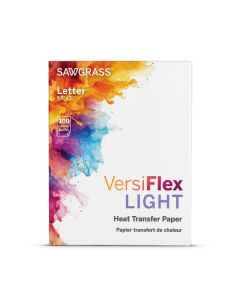
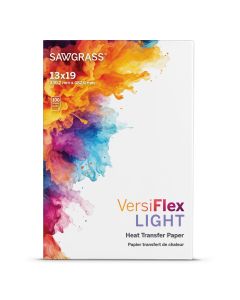
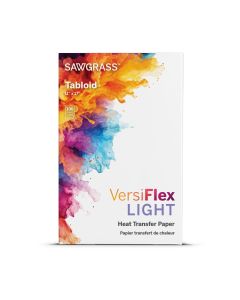
One of the biggest developments in the decoration industry is Sawgrass VersiFlex media. Unlike traditional sublimation systems that require polyester, VersiFlex was designed to expand decorating capabilities across a wider range of products, including cotton apparel.
Why VersiFlex Is Different
VersiFlex uses a specialized ink and transfer process that allows decorators to apply vibrant designs to materials that traditional sublimation struggles with.
- Cotton shirts
- Cotton blends
- Light garments
- Wood
- Canvas
- Additional specialty substrates
Benefits of VersiFlex
- No sublimation spray required
- No HTV layer required
- Compatible with cotton fabrics
- Vibrant colors on more substrates
- Simplified production workflow
Potential Considerations
- Requires the VersiFlex printer and ink system
- Different workflow than traditional sublimation
- Small learning curve for existing sublimation users
Option #2: Sublimation Spray for Cotton
Before VersiFlex, sublimation sprays became one of the most common cotton workarounds. These products create a polyester-like coating on the surface of cotton garments.
How Sublimation Spray Works
- Apply the coating
- Allow it to dry
- Press using sublimation settings
- Cure according to instructions
Pros
- Uses existing sublimation equipment
- Relatively low startup cost
- Soft hand feel
Cons
- Additional production step
- Can be inconsistent
- Durability varies by brand
- Results may not match polyester
Option #3: Sublimation on HTV
For years, many experienced decorators considered sublimation on HTV the most reliable cotton solution. Instead of bonding the sublimation ink directly to the cotton, the ink bonds to a special white heat transfer vinyl.
How It Works
- Apply sublimation-compatible HTV
- Print design using sublimation ink
- Transfer image onto the HTV surface
Benefits
- Excellent color vibrancy
- Consistent production results
- Good wash durability
- Uses existing sublimation equipment
Drawbacks
- Adds a vinyl layer
- Slightly different feel than direct printing
- Additional labor
What Doesn't Work
- Direct sublimation on untreated cotton: The design may initially appear visible but typically fades quickly.
- DIY chemical hacks: Homemade mixtures often lack durability and consistency.
- Iron-only transfers: Household irons rarely provide the temperature and pressure needed for quality transfers.
How Cotton Results Compare to Polyester
Even with today’s advancements, polyester remains the benchmark for sublimation color performance.
| Method | Vibrancy | Durability | Ease of Use |
|---|---|---|---|
| Polyester Sublimation | Excellent | Excellent | Easy |
| VersiFlex | Excellent | Very Good | Easy |
| HTV + Sublimation | Very Good | Very Good | Moderate |
| Sublimation Spray | Moderate | Moderate | Moderate |
VersiFlex vs HTV vs Sublimation Spray
| Feature | VersiFlex | HTV | Spray |
|---|---|---|---|
| Cotton Compatible | Yes | Yes | Yes |
| Extra Layer Added | No | Yes | No |
| Vibrancy | Excellent | Very Good | Moderate |
| Production Speed | Fast | Moderate | Moderate |
| Consistency | High | High | Variable |
Best Use Cases for Cotton Decoration
VersiFlex
- Crafter and professional apparel production
- Cotton shirt businesses
- Expanding beyond polyester products
HTV
- Small businesses
- Personalized apparel
- Established sublimation shops
Sublimation Spray
- Hobbyists
- Testing new products
- One-off projects
FAQs About Cotton Sublimation
Can you sublimate directly on cotton?
Traditional sublimation does not bond directly to untreated cotton. Specialized systems like VersiFlex or alternative methods are required.
Is VersiFlex replacing sublimation?
No. Traditional sublimation remains the preferred method for polyester products. VersiFlex expands decorating capabilities to additional substrates, including cotton.
Is sublimation spray permanent?
It improves adhesion but generally does not match the durability of polyester sublimation.
Can you sublimate on cotton blends?
Yes. Higher polyester content generally produces better results with traditional sublimation.
Conclusion
For years, decorators relied on sprays, coatings, and HTV when they wanted to decorate cotton. Today, Sawgrass’s VersiFlex system introduces a new option that simplifies cotton decoration while delivering vibrant results on a wider range of materials.
While traditional sublimation still delivers the best results on polyester, businesses looking to expand into cotton apparel now have more choices than ever before.
Whether you choose VersiFlex, HTV, sublimation sprays, or coated blanks, understanding the strengths and limitations of each method will help you produce better products and build customer confidence.
At Coastal, we're committed to helping you find the right solution for your business—whether you're decorating your first cotton shirt or expanding an established personalization company.



0 Comments
Leave a Comment