-
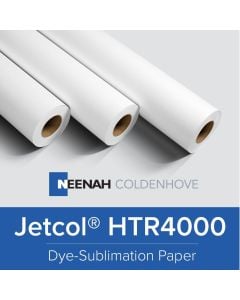 OVERSTOCK- Jetcol® HTR4000 Sublimation Paper Roll - 140 GSM - 52" x 279'Special Price $110.00 Regular Price $198.90
 -
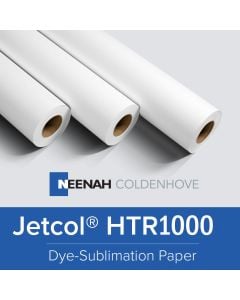 Jetcol® HTR1000 Sublimation Paper Roll - 66 GSM - 126" x 820' - OVERSTOCKSpecial Price $350.00 Regular Price $528.00
 -
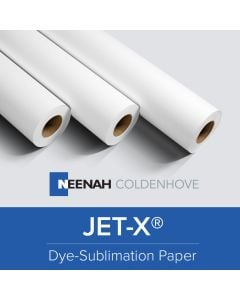 Jet-X® Sublimation Paper Roll - 57 GSM - 126" x 3280' - OVERSTOCKSpecial Price $1,120.00 Regular Price $1,351.00
 -
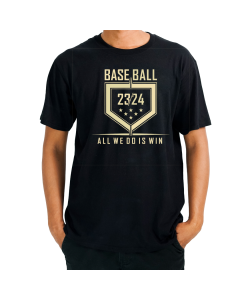 CLEARANCE - Magic Touch WOW 7.8 Transfer Paper – (500 Sheets/Case)Special Price $525.00 Regular Price $1,612.45
 -
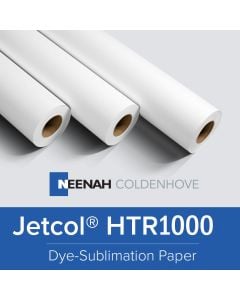 OVERSTOCK - Jetcol® HTR1000 Sublimation Paper Roll - 66 GSM - 75"x607'Special Price $145.00 Regular Price $237.95
 -
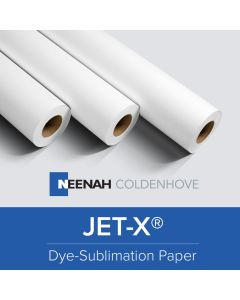 Jet-X® Sublimation Paper Roll - 57 GSM - 126" x 984' - OVERSTOCKSpecial Price $320.00 Regular Price $551.00
 -
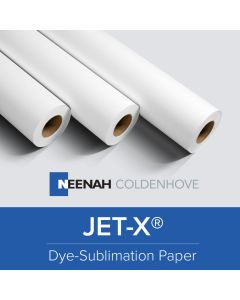 Jet-X® Sublimation Paper Roll - 57 GSM - 52" x 656' - OVERSTOCKSpecial Price $115.00 Regular Price $224.00
 -
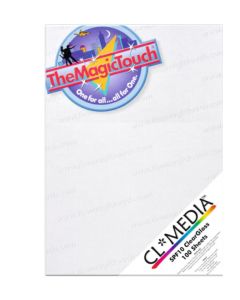 TheMagicTouch Clear Gloss CL Media Sticker Paper$115.00 Regular Price $425.45
800 562-7760 Support
Skip to Content
- In-Stock Same-Day Shipping by 5PM cst
- Free Shipping +$199
- Need Competitive Bulk Pricing?